Sleep Apnea Nexus Letter What Veterans Need to Know

Sleep apnea is a common condition among veterans that can seriously affect health and daily life. If you're a veteran with sleep apnea, a nexus letter may be an important piece of documentation for your VA disability claim. This post explains what a nexus letter is, what it should contain, and how Frontline MedReview can help.
Understanding Sleep Apnea and Its Impact on Veterans
Sleep apnea causes breathing to repeatedly stop and start during sleep, leading to poor sleep quality, fatigue, and cardiovascular problems. Veterans may develop sleep apnea related to service factors including environmental exposures, physical injuries, or conditions like PTSD or traumatic brain injury — which can qualify as secondary service connection.
The VA requires evidence linking your current condition to your military service. Without that documented connection, claims are frequently delayed or denied..
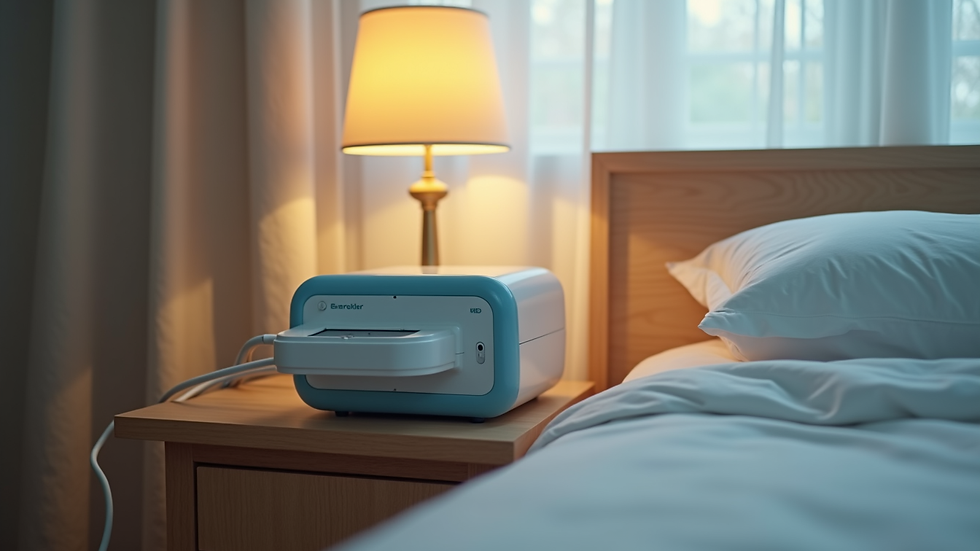
CPAP machine used to treat sleep apnea, a common condition among veterans.
What Is a Nexus Letter and Why It Matters
A nexus letter is a formal medical opinion written by a qualified healthcare provider that addresses the connection between your diagnosis and your military service. For sleep apnea claims, the opinion typically addresses whether your condition is "at least as likely as not" related to your service or a service-connected condition.
A well-documented nexus letter includes:
Confirmed sleep apnea diagnosis, supported by a sleep study
Your relevant service history and exposure factors
A clear medical opinion on service connection
The provider's reasoning, grounded in your records and medical evidence
Provider credentials and signature on official letterhead
How Frontline MedReview Can Help
Frontline MedReview provides independent medical opinions for veterans, written by a licensed PA-C within scope of practice. We review your medical records and service history and produce a clear, evidence-based nexus letter. We do not represent veterans before the VA, file claims, or charge fees based on back pay.
If you prefer to work with your own physician or sleep specialist, that's a valid option too — make sure they're familiar with VA nexus letter standards and the "at least as likely as not" threshold.
Useful Documentation to Gather
Sleep study results confirming your diagnosis
CPAP prescription and usage records (if applicable)
Service records noting relevant exposures or injuries
Any existing VA or private medical records related to your condition

What Happens After You Submit
The VA reviews your claim alongside your medical records, service history, and any nexus letter you submit. You may be scheduled for a C&P (Compensation & Pension) exam. You can also submit additional evidence, including a nexus letter, after your initial filing.
Your free county Veteran Service Officer (VSO) can help you navigate the claims process and filing — we recommend using that resource alongside any independent medical opinion.
Ready to Get Started?
Reach out to Frontline MedReview to talk about your records and determine if an independent medical opinion is suitable for your case. (321) 294-3696 | frontlinemedreview.com
Frontline MedReview provides non-clinical medical record review and independent medical opinions. We do not provide legal advice or represent veterans before the VA..

Comments